
The fragile truce between the United States and Iran unraveled further this week after a new round of American strikes and Iranian retaliation pushed the two countries back into open conflict, even as both sides signaled they remain willing to keep talking.
President Trump said Friday that Washington has agreed to continue negotiations with Tehran, while reiterating that the United States has told Iran the ceasefire is no longer in effect. In a Truth Social post, Trump wrote that Iran had asked to continue talks and that the US had agreed, while making clear the ceasefire itself was over. Despite the rhetoric, a US official told CNN there is currently a lull in fighting following this week’s flareup of strikes, and Qatari negotiators are visiting Iran in coordination with the US to meet with officials.
Two Days of Intense Strikes
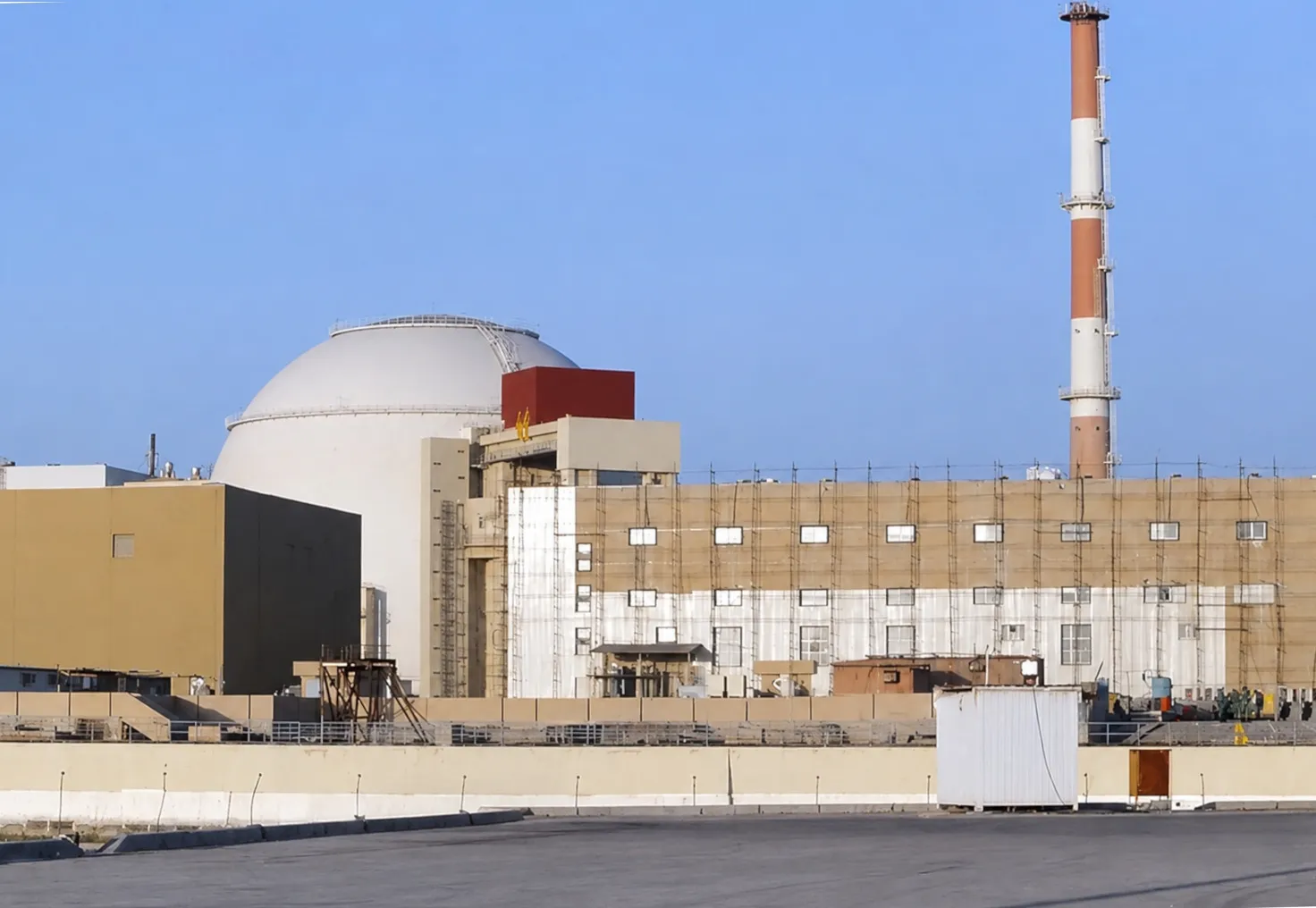
The latest escalation followed roughly 48 hours of heavy exchanges. The US struck Iran at least 170 times over two days, though Washington has not confirmed responsibility for the most recently reported attacks, according to Iranian state media. American forces reportedly hit targets in the coastal province of Bushehr, including areas near a nuclear power plant and a fishing pier, though officials in Washington did not confirm those specific strikes.
In response, Iran said it fired ten ballistic missiles at a US military base in northern Jordan, and Jordan’s government confirmed it intercepted Iranian missiles that breached its airspace and set off air raid sirens. Separately, Iran’s Revolutionary Guard Corps said it struck US military bases in Kuwait and Bahrain in response to the American strikes.
US Strategy: Strike, Pause, Negotiate
According to CNN, the US has deliberately been striking and then pausing to avoid full-scale escalation while giving diplomacy room to work, and is maintaining a target list as leverage in the background talks. A separate US official described the underlying memorandum of understanding governing the ceasefire as “performance-based,” arguing that Iran’s continued failure to fully reopen the Strait of Hormuz and its strikes on vessels during the NATO summit amounted to unacceptable non-compliance. The same official characterized Iran’s attacks on commercial vessels as acts of terrorism.
Assassination Plot Allegations
Adding a new layer of tension, Israel shared intelligence with the US indicating Iran had devised a new plot to assassinate President Trump. The Wall Street Journal first reported the intelligence, which Iran has long threatened in connection with the 2020 US strike that killed IRGC commander Qassem Soleimani. Trump addressed the threat directly, noting he was aware he remained a target but had “been a little bit lucky.”
The conflict is unfolding against the backdrop of a leadership transition inside Iran. Iran’s late Supreme Leader Ayatollah Ali Khamenei, who was killed in the February 28 Israeli and US airstrikes that opened the war, was buried Friday in Mashhad. Notably, his son and successor, Mojtaba Khamenei, did not appear publicly at any point during the funeral proceedings, prompting speculation among observers about the new leader’s authority at a critical moment for the Islamic Republic.
The renewed fighting has rattled shipping and energy markets. Roughly 13 commercial vessels transited the Strait of Hormuz in the past 24 hours, down sharply from the roughly 110 ships a day that used the waterway before the war began. GPS spoofing and interference have also increased again around the strait in recent days. Marine insurers are responding in kind — war-risk premiums for ships transiting the strait, which spiked as high as 10% of a vessel’s value after the war’s outbreak from a pre-war baseline of roughly 0.25%–0.5%, are being reassessed again amid the renewed strikes.
Elsewhere, Gulf states allied with the US reported air raid sirens and incoming Iranian drone and missile fire as regional tensions flared, while oil prices hovered near $73 a barrel as traders watched for any disruption to the critical energy corridor. Meanwhile, Iraq has moved closer to Washington diplomatically, with Baghdad seeking a role in brokering a path between the US and Iran.
Despite the breakdown in the ceasefire’s terms, both sides appear to be avoiding a full return to the large-scale combat operations seen when the war began on February 28. Technical negotiations on nuclear issues are ongoing, with a US official reiterating that Iran can never be allowed to possess a nuclear weapon, even as strikes and counterstrikes continue on a smaller scale. With Qatari and Pakistani mediators shuttling between the two sides, the coming days are likely to determine whether the conflict slides back into full-scale war or returns to the negotiating table.